Ball Bearings: Types & Applications
Ball bearings, one of the most widely used bearings, have a versatile design that allows them to be used in various applications. They are commonly used as wheel bearings in cars, bicycles, skateboards, and various types of machinery in different industries.
What are Ball Bearings?
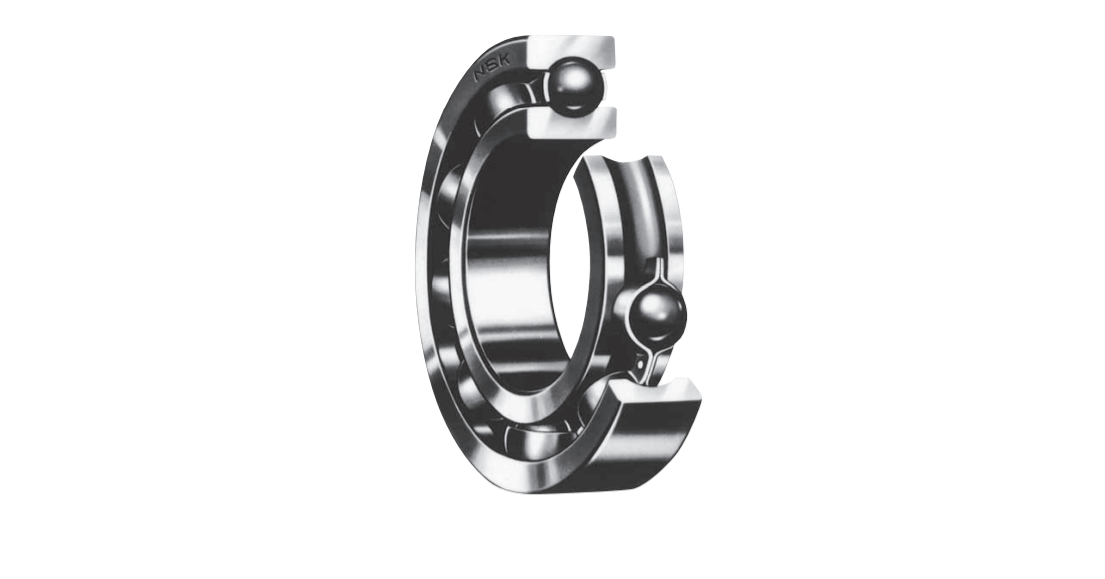
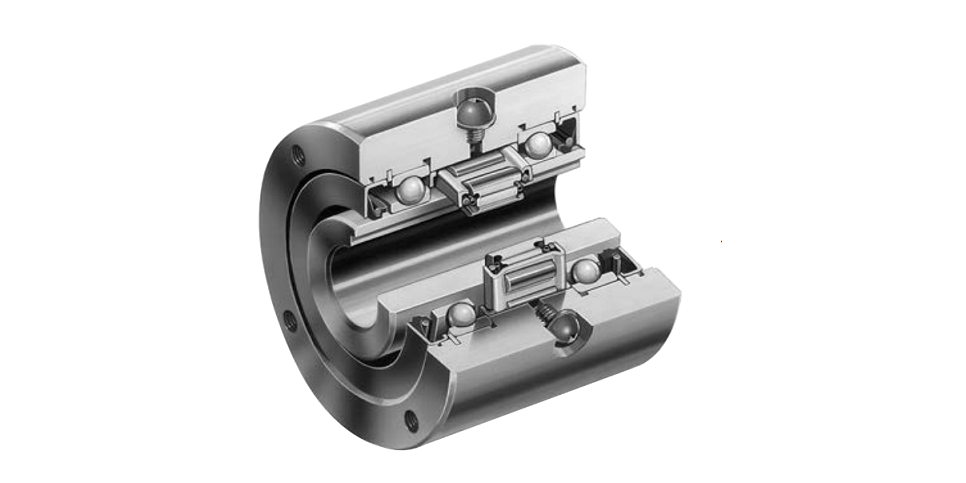
Essentially, ball bearings are utilized to minimize rotational friction between two objects. They consist of one or more rows of balls placed between an inner and outer raceway, taking advantage of the principle that rolling elements produce less friction compared to sliding elements. By utilizing balls to roll within the bearing instead of two surfaces sliding against each other, they enable high rotational speeds with minimal friction.
Components of Ball Bearings
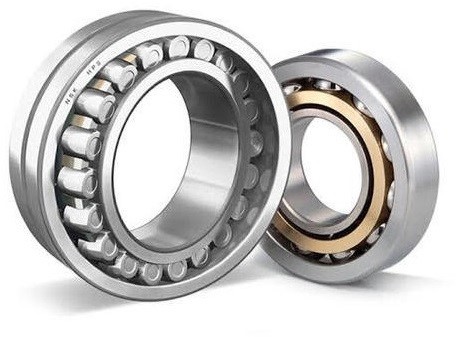
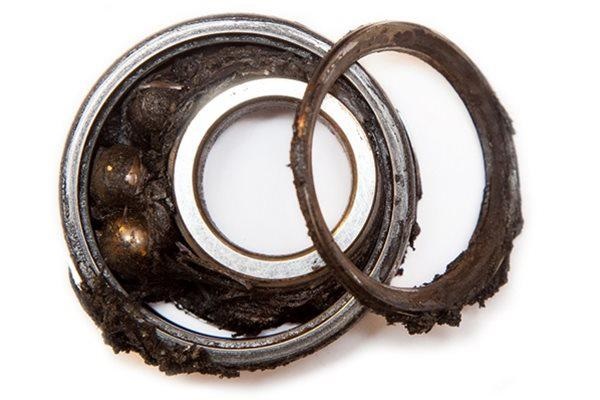
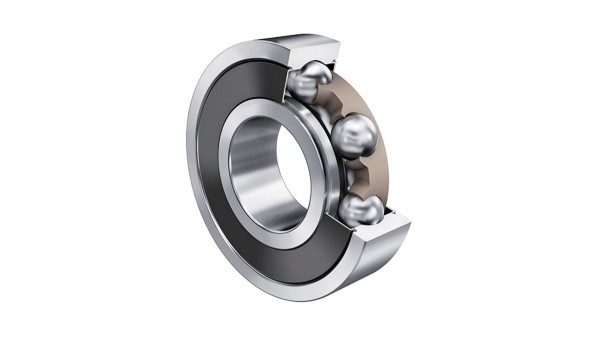
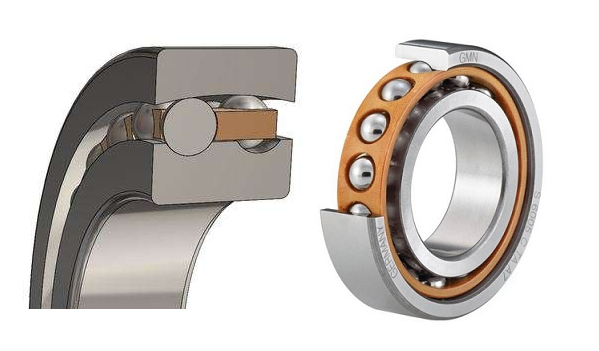
As previously mentioned, bearings consist of several distinct elements: the inner and outer rings, the cage that holds the balls in place, and the balls themselves. These components are typically constructed from stainless steel, chrome steel, or ceramic. Hybrid bearings feature a combination of steel rings and cages with ceramic balls, resulting in reduced friction and weight.
Depending on the specific requirements of the bearing, ball bearings can have one or multiple rows of balls. Single-row bearings offer greater precision and accuracy but often require installation in pairs to evenly distribute loads. Double row bearings are more space-efficient as they eliminate the need for a second bearing, and also have a higher load capacity, although they require better alignment. Multiple-row bearings are sometimes utilized for applications with extremely high load demands. Bearings may also come with a flange or housing, which is a unit that secures the bearing to the mounting surface. This simplifies installation and axial location and can provide additional security for the bearing.
Main Types of Ball Bearings
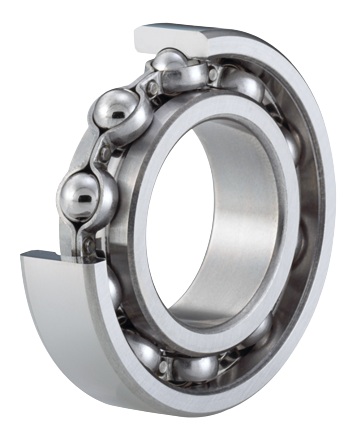
Radial Ball Bearings
Radial ball bearings are precision bearings designed to handle primarily radial loads, making them one of the most widely used components in industrial machinery. Their low-friction operation ensures smooth load transfer between rotating parts, shafts, and housings. With a small contact angle of approximately 8°, they effectively minimize stress from supported loads. A key advantage of radial ball bearings is their ability to accommodate axial loads in both directions, enhancing their versatility in various applications.
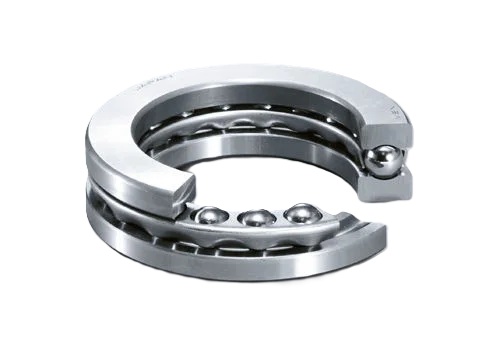
Thrust Ball Bearings
Thrust ball bearings are characterized by their washer-like rings and can only withstand axial loads, making them less versatile. However, they can be designed to handle thrust loads in both directions and accommodate misalignments with aligning seat washers or spherical aligning seats.
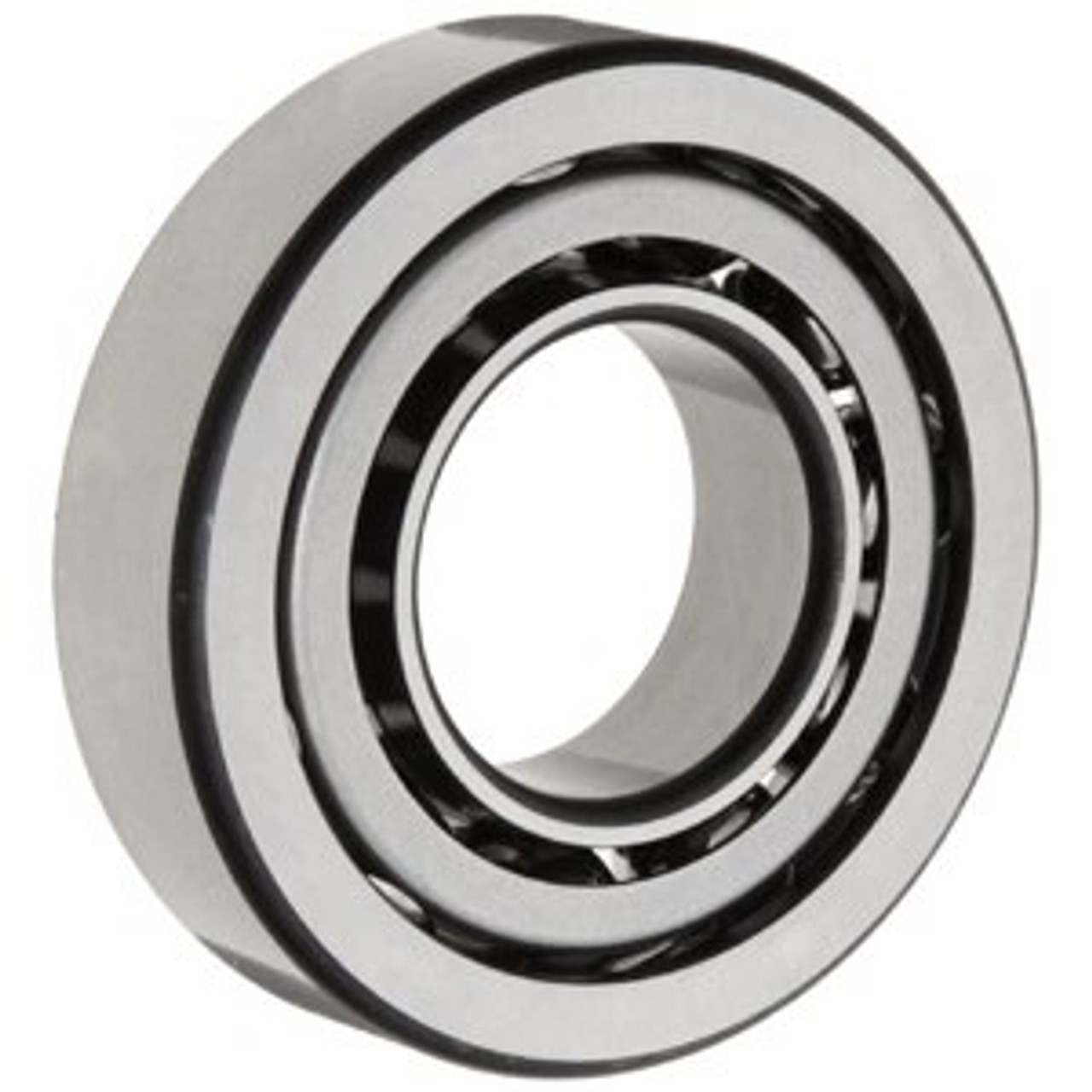
Angular Contact Ball Bearings
Angular contact ball bearings have raceways that are displaced parallel to the bearing axis, allowing them to handle a combination of axial and radial loads. Larger contact angles can handle higher axial loads, while smaller angles are better for speed. These bearings are available in single or double rows, with a single row reducing wobble and friction and a double row avoiding issues like diameter matching and runout matching.
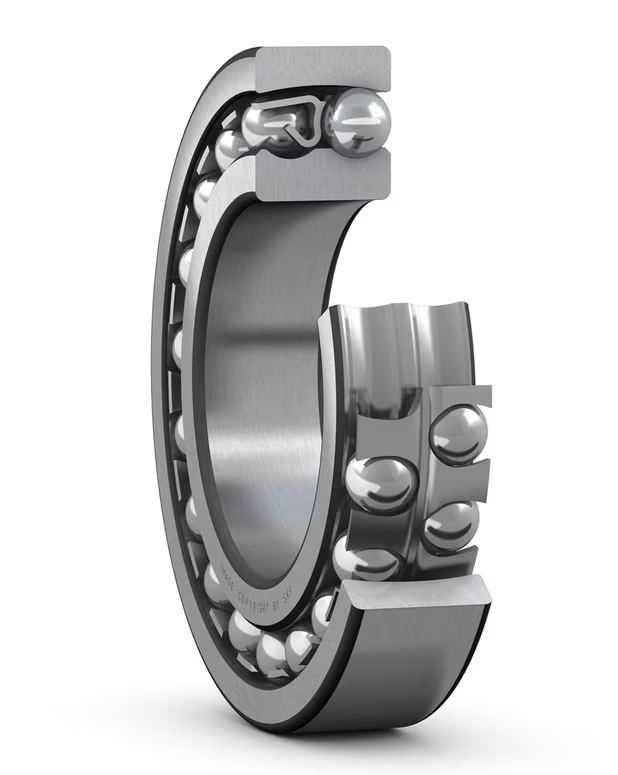
Self-aligning Ball Bearings
Self-aligning ball bearings have two rows of balls, an inner ring with two deep raceway grooves, and an outer ring with a spherical raceway. While they have limited load capacity, they can correct misalignment during operation. This makes them ideal for applications with long shafts, such as transmissions and textile machinery. They are also used in various other applications due to their low friction, low maintenance, and high-speed performance.
Ball Bearings Applications
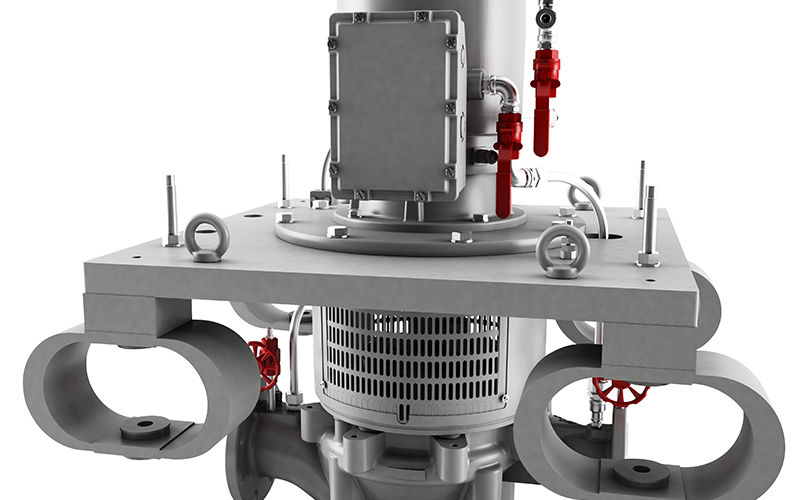
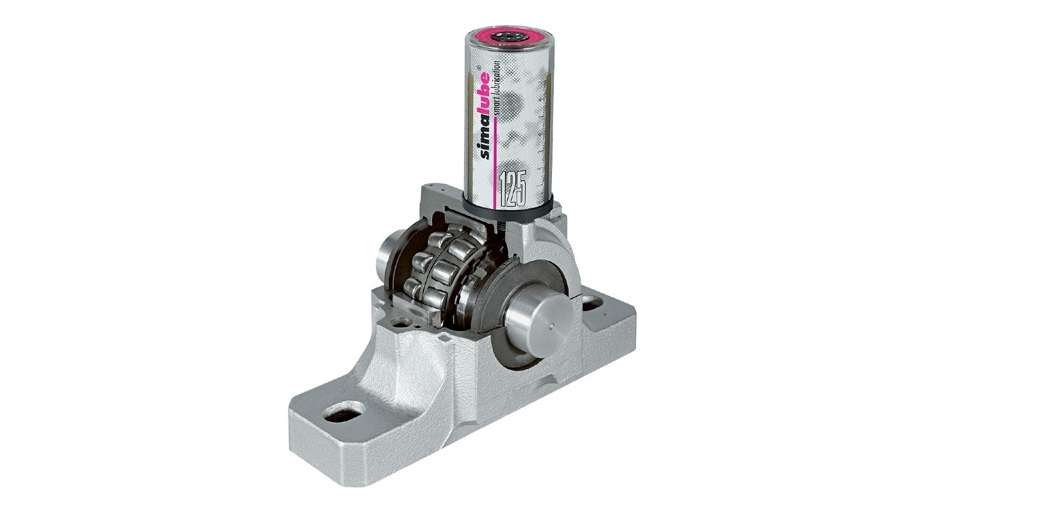
Ball bearings have various applications, including in aerospace, agriculture, automotive, and medical/dental equipment. These bearings are specifically designed to meet the unique requirements of each industry. For instance, ball bearings are used in jet engines and helicopters for aerospace applications, while others are designed for agriculture equipment and environments. Similarly, the automotive industry has its own set of specialized bearings and miniature ball bearings specifically for dental or medical equipment. Additionally, there are ball bearings designed to withstand challenging conditions in pumps, such as poor lubrication, high loads, and high operating temperatures. Finally, there are high-precision ball bearings specifically intended for use in machine tool spindles.
Conclusion
In conclusion, the versatility of ball bearings makes them integral components in diverse industries, silently contributing to the efficiency and reliability of countless applications. Their ingenious design, featuring rows of rolling balls within carefully crafted raceways, minimizes rotational friction and allows for high-speed operations
HVH Industrial Solutions is an authorized distributor of Link-Belt, Rexnord, AMI, Koyo, GMN Bearing, Rollway, and many other bearing manufacturers. We work closely with their engineering team to provide superior customer service and engineering support.
If you have any questions, write to us via live chat or call or send us a quote request. The HVH team is always ready to help you.
Requesting ...
File size should not exceed 20 MB.