Industrial Shaft Couplings Types and Applications
What are Shaft Couplings
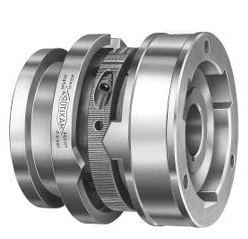
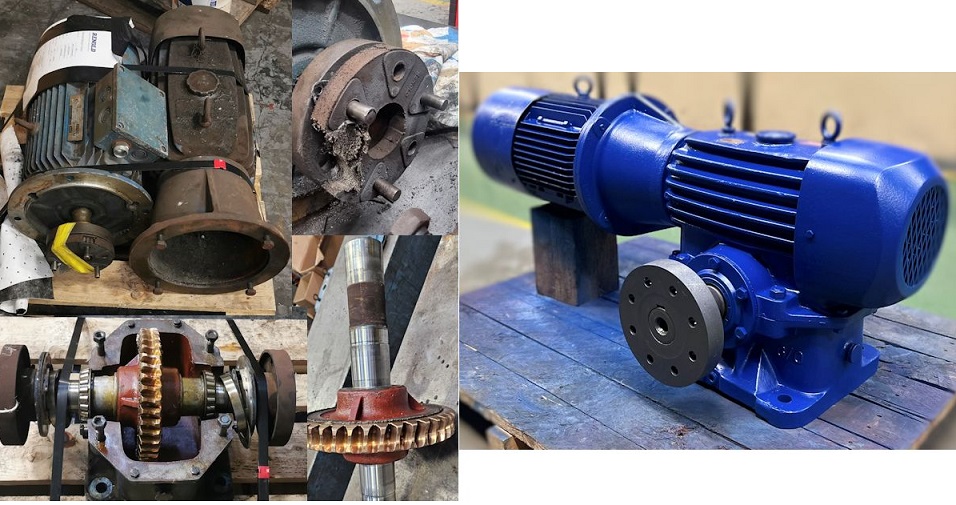
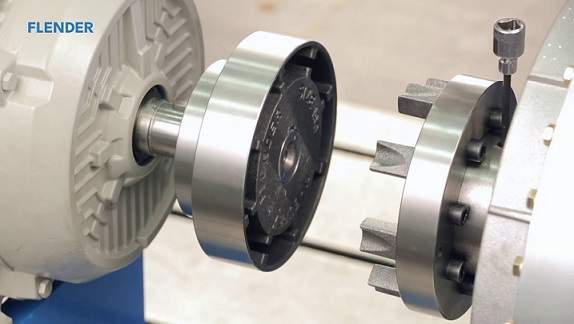
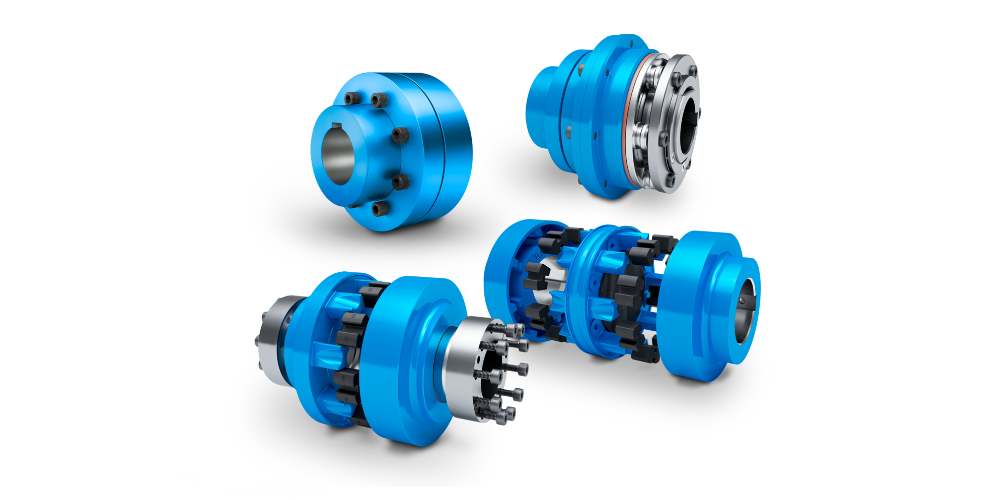
Shaft couplings are mechanical devices used to connect two shafts to transfer power from a driveshaft to a driven shaft. They are designed to absorb any misalignments or errors between the two shafts, which may be caused by changes in temperature or deterioration over time. These couplings provide flexibility to allow smooth rotation between the shafts and reduce impact, wear, vibration, noise, and the risk of equipment failure. They are commonly used in various equipment, such as motors, generators, pumps, compressors, turbines, engines, and machines. There are different types of shaft couplings for different operating conditions which will be discussed in detail in the following sections.
Main types of Couplings
Flange Couplings
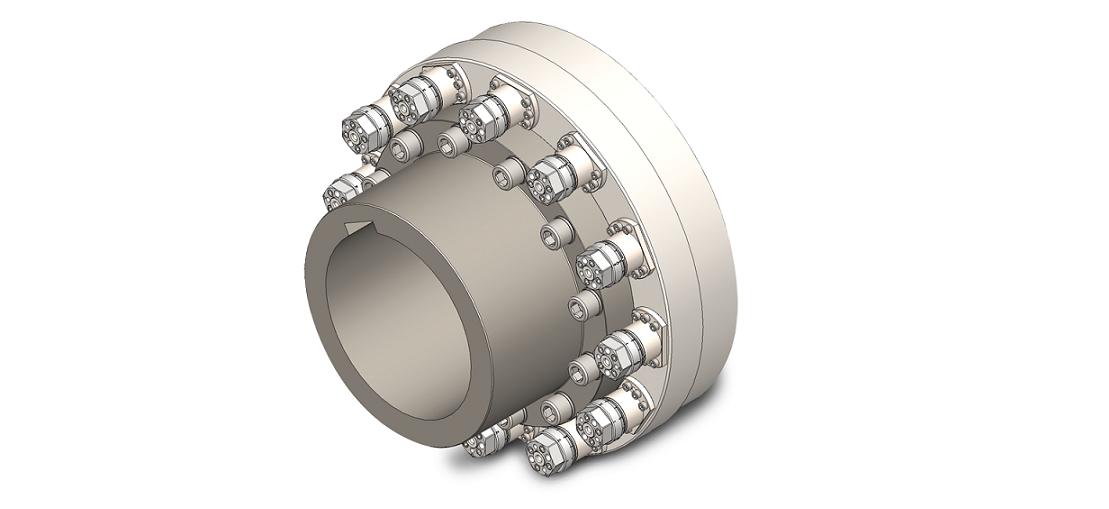
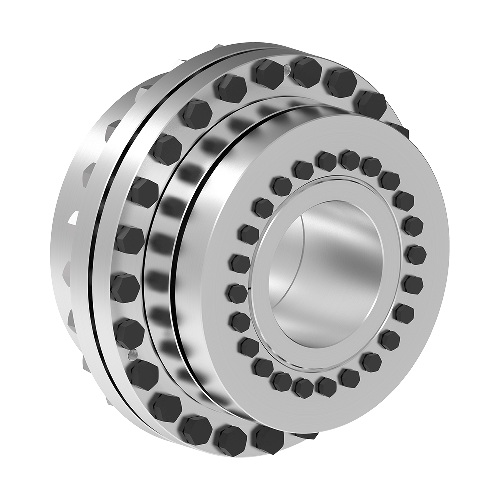
A flange coupling consists of two separate flanges that are joined together with bolts and nuts. Each shaft is connected to its respective flange hub. The shafts align through a projected section in one flange and a matching recessed portion in the other. There are three types of flange couplings: unprotected, protected, and marine. The first type has exposed bolts and nuts, while the second type has them enclosed and protected within the flanges. The third type uses tapered headless bolts to hold the flanges together. Flange couplings are commonly used in pressurized piping systems, for heavy loads, and for shafts with large diameters.
Gear Couplings
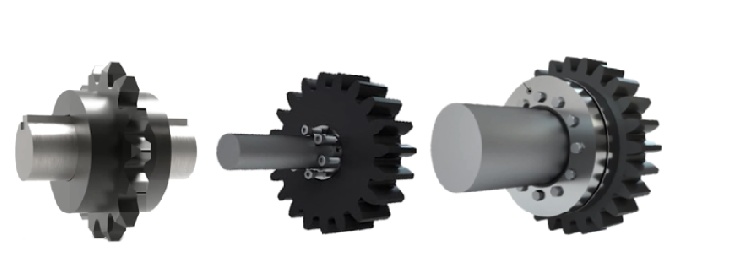
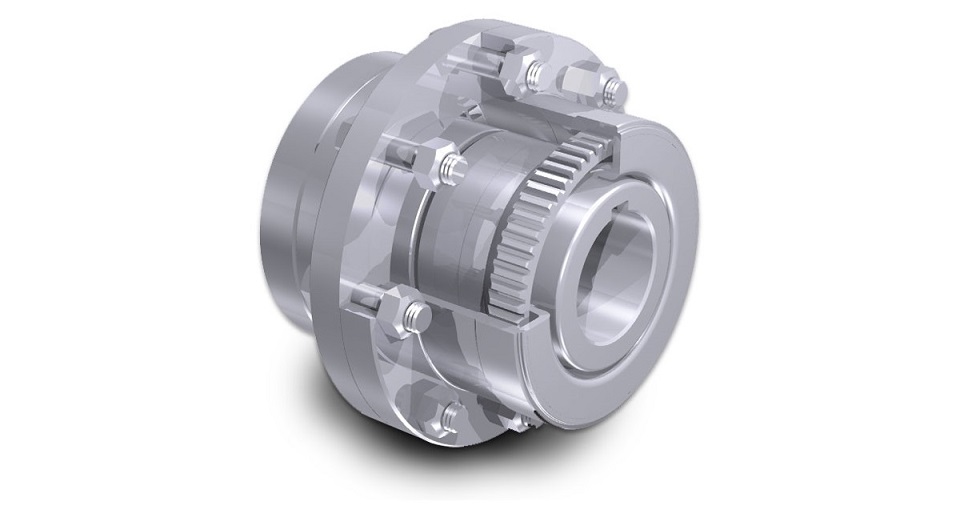
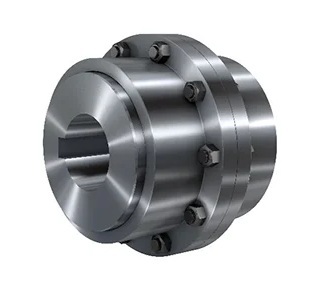
The gear coupling is a variation of the flange coupling. In gear couplings, the flange and its hub are separate parts, with gear teeth on the external diameter of the hub that mesh with the internal gear teeth of the flange. This creates a 1:1 gear ratio, allowing for the transmission of high torque at high speeds.
Grid Couplings
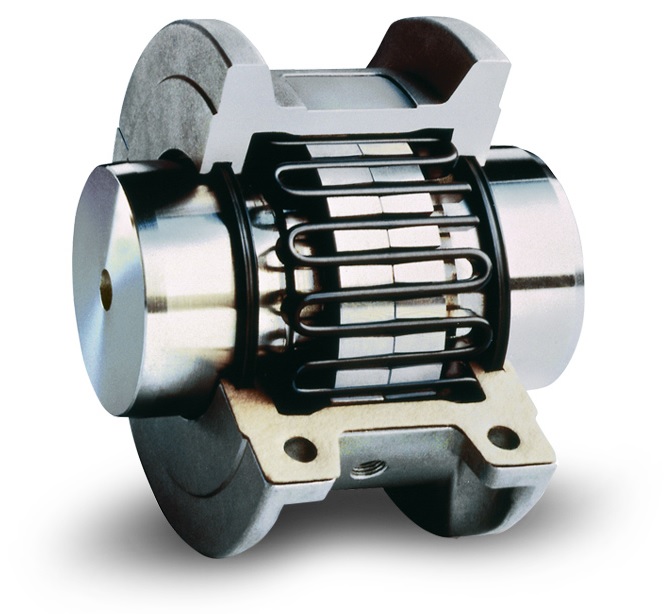
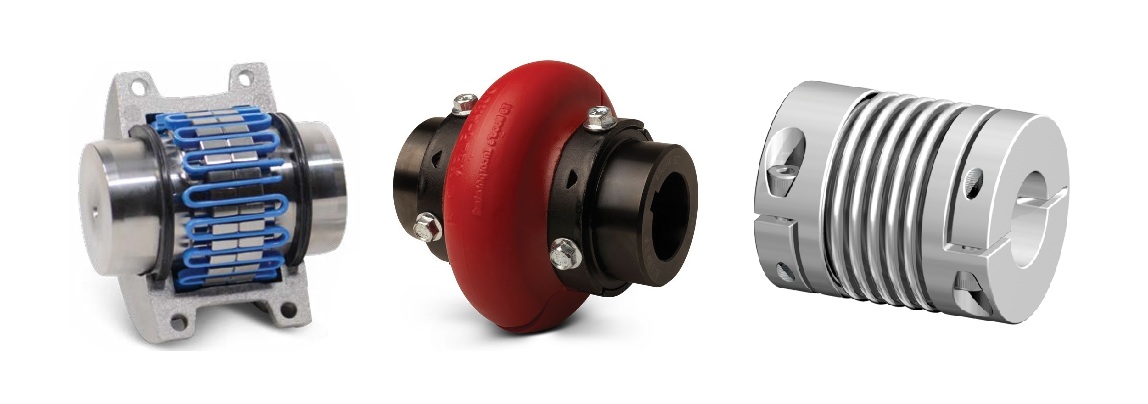
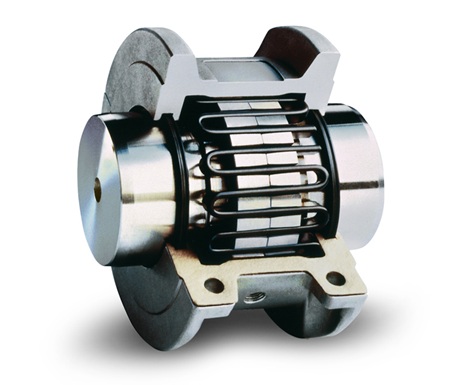
Grid couplings, on the other hand, consist of two radially slotted hubs that are connected by a serpentine strip of spring steel. This design allows for torsional flexibility, making them suitable for a wide range of torque, speed, and misalignments. They are also effective in absorbing shock and reducing vibration.
Tire Couplings
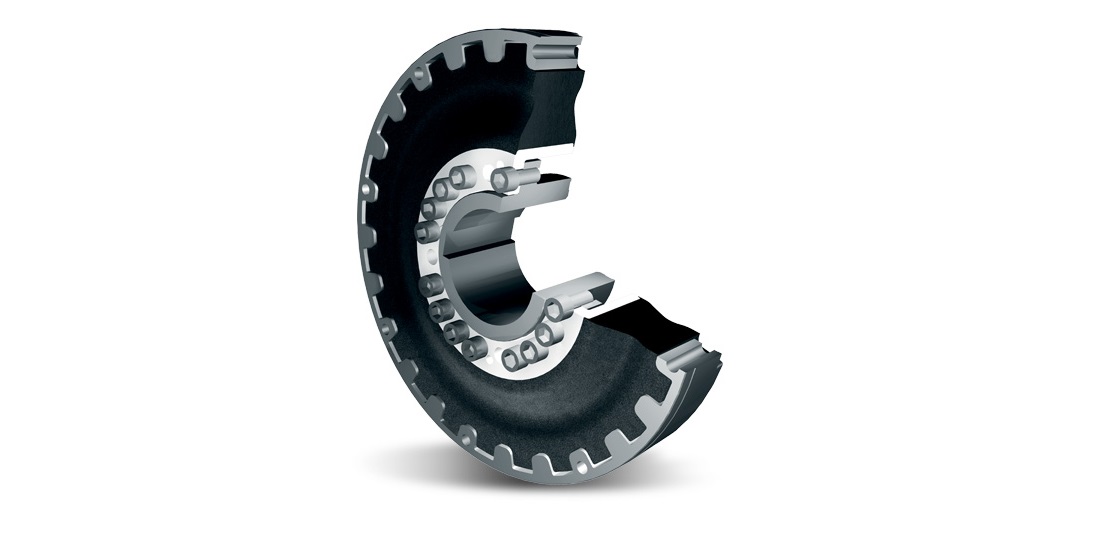
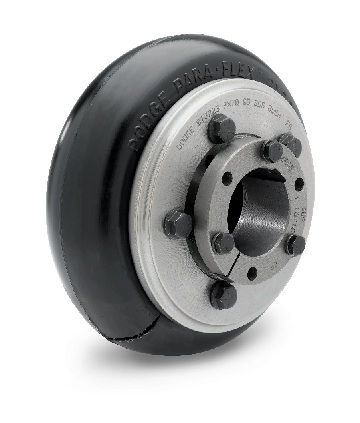
Tire couplings use a rubber, polyurethane, or polyether element to transmit torque under shear. They can accommodate high levels of misalignment and reduce shock and vibration, making them suitable for a wide range of torque and speeds.
Bellows Couplings
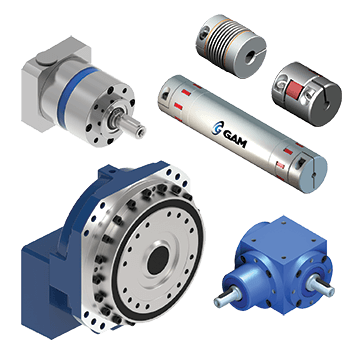
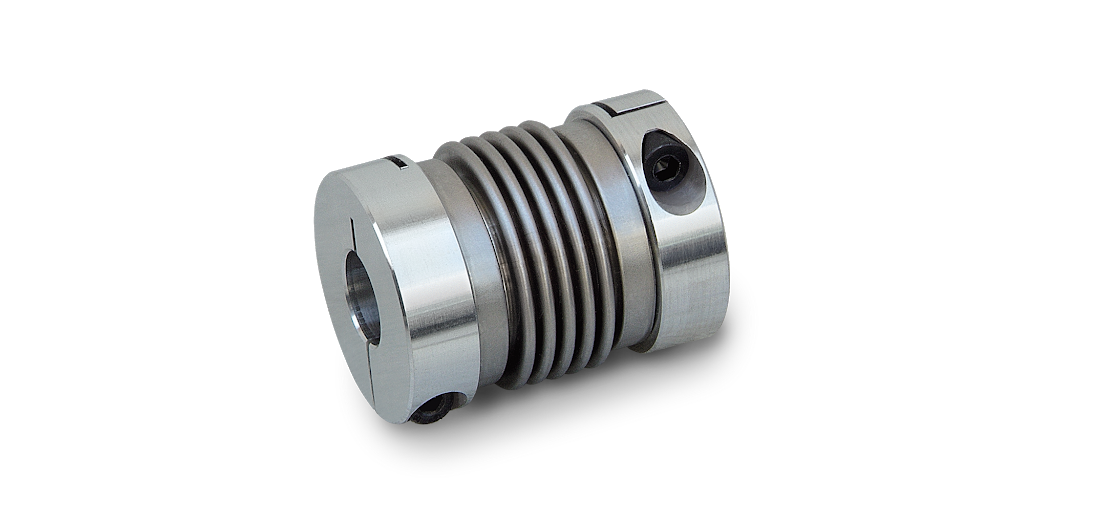
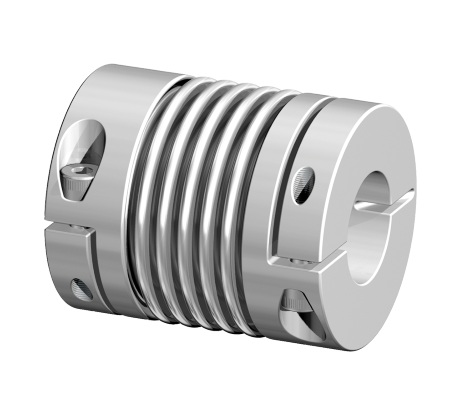
Bellows couplings are high-performance flexible couplings designed for precise rotation, high speeds, and dynamic motion transmission. They feature zero backlash and exceptional torsional stiffness, ensuring accurate velocity, angular position, and torque transfer. Comprising twin coupling ends (hubs) connected by a precision-engineered corrugated tube, they allow for limited axial, angular, and parallel misalignment. Proper sizing and handling are crucial for their effective use in demanding applications.
Drum Couplings
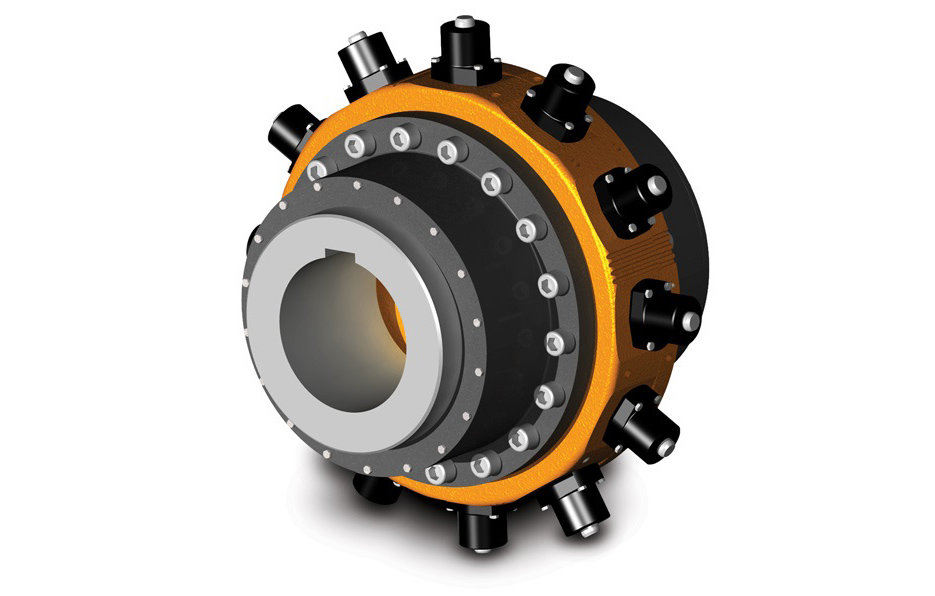
Drum/Barrel couplings are essential components in material handling systems, particularly in crane hoists, where they connect the rope drum to the gearbox output shaft while requiring minimal axial space. Designed to handle high torques and large radial forces, these couplings function as flexible joints, ensuring efficient power transmission and reliable operation in demanding applications.
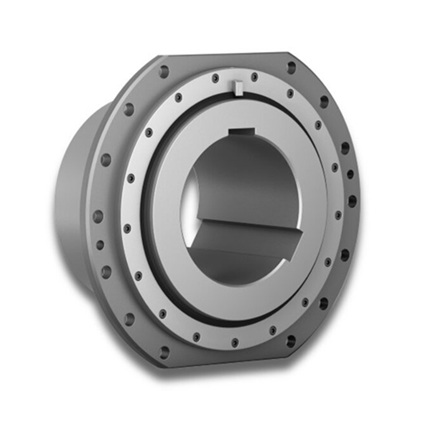
Pin and Bush Couplings
Pin and bush couplings are torsionally flexible, cost-effective, and maintenance-free solutions designed to accommodate misalignment while ensuring reliable performance. Constructed with steel or cast iron half bodies and urethane or neoprene buffers, they offer flexibility and temperature resilience, making them ideal for demanding conditions. Commonly used in conveyors, cranes, escalators, fans, lifts, mixers, pumps, and other industrial applications, these couplings provide durability and simplicity for various operational environments.
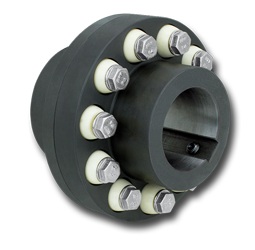
Flexible Couplings
Flexible couplings are mechanical devices designed to connect two shafts while allowing for slight misalignment, movement, or flexibility. This adaptability helps accommodate operational factors such as vibration, thermal expansion, and misalignment caused by manufacturing tolerances or installation errors. By reducing stress on connected components, flexible couplings enhance system performance and longevity in various industrial applications.
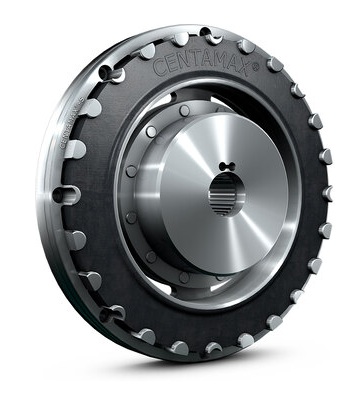
Fluid Couplings
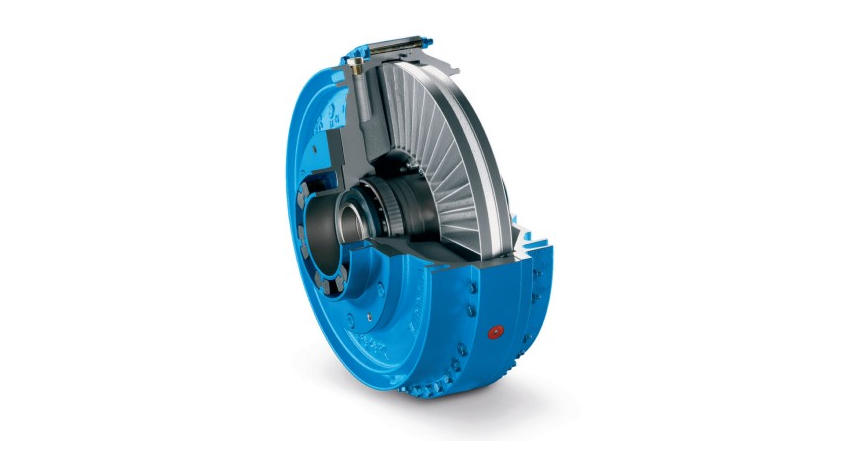
Fluid couplings, also known as hydraulic couplings, are torque-transmitting devices that use hydraulic oil or water to transfer power between two rotating shafts. They are widely used in industrial applications requiring smooth and efficient torque transfer. Commonly found in heavy machinery such as conveyors, crushers, mills, and pumps, fluid couplings ensure reliable power transmission from electric motors or internal combustion engines to driven equipment, enhancing performance and reducing mechanical stress.
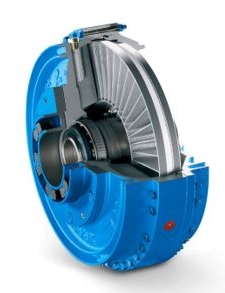
Elastomeric Couplings
Elastomeric couplings, made from rubber or plastic materials, help accommodate minor misalignments while dampening vibration and shock absorption. A common design, the jaw coupling, consists of two metallic hubs connected by an elastomer insert, which helps reduce system wear. These couplings allow for slight misalignments but require proper motor alignment for optimal performance.
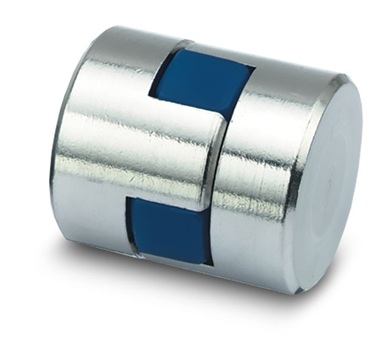
Disc Couplings
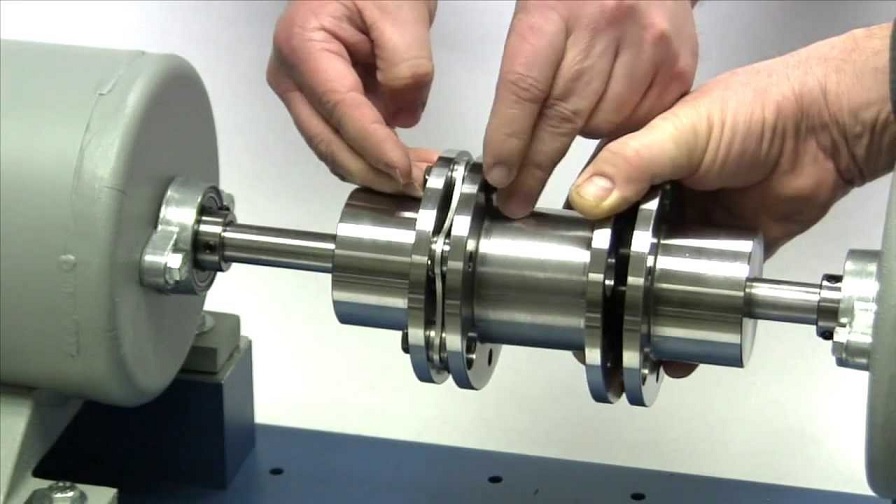
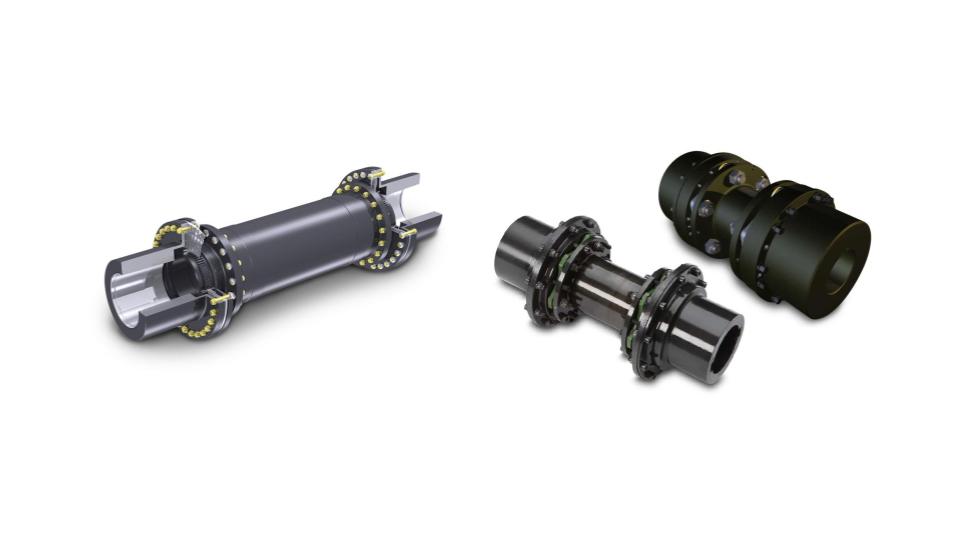
Disc couplings use flexible steel discs to connect two flanges. These discs can be square, circular, octagonal, or scalloped in shape and provide torsional rigidity while accommodating misalignments. They do not require lubrication as there are no sliding parts.
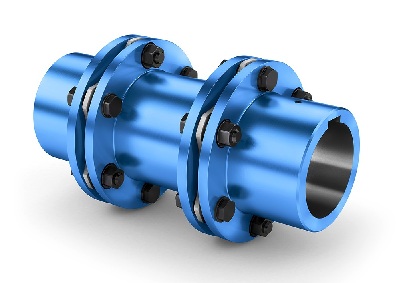
Rigid Couplings
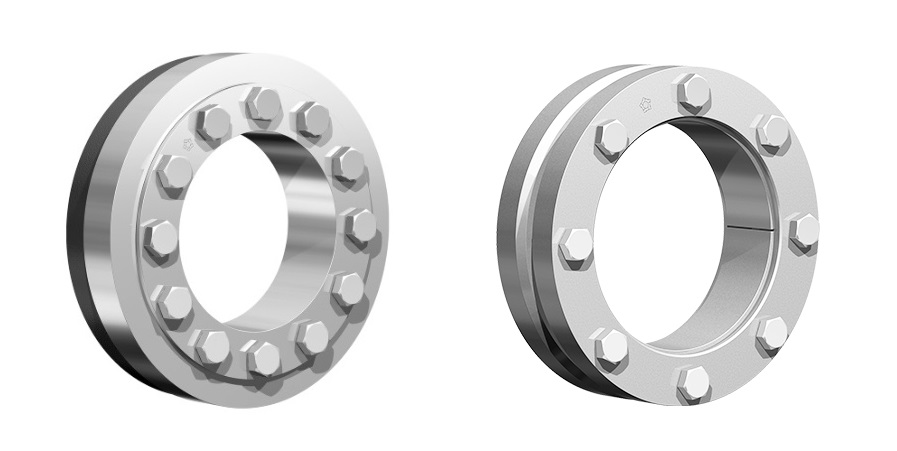
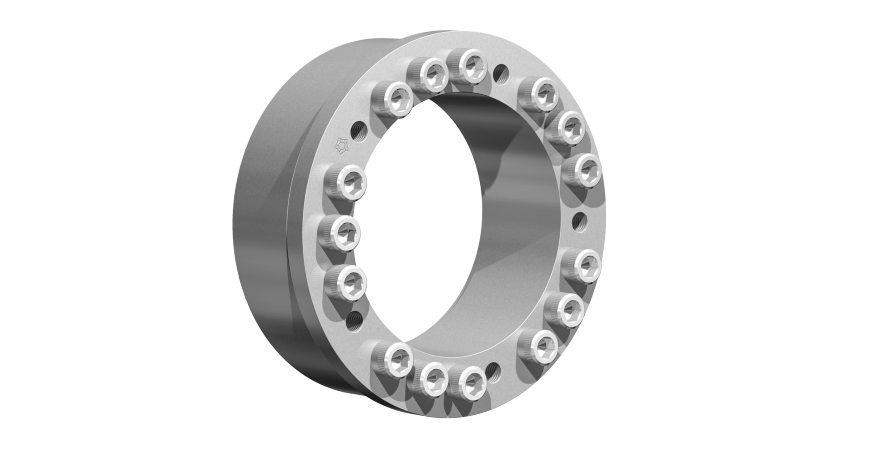
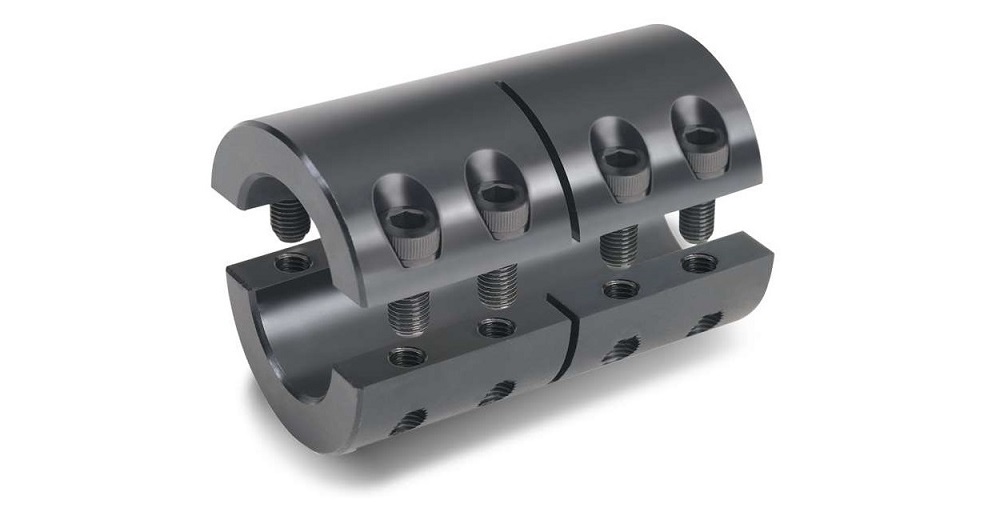
Rigid couplings are mechanical devices used to connect two perfectly aligned shafts, ensuring they rotate together while transmitting torque and motion. Unlike flexible couplings, they do not compensate for misalignment but can handle higher torque transmission. Typically made from durable materials such as steel or aluminum, rigid couplings provide a strong and reliable connection in applications where precise shaft alignment is maintained.
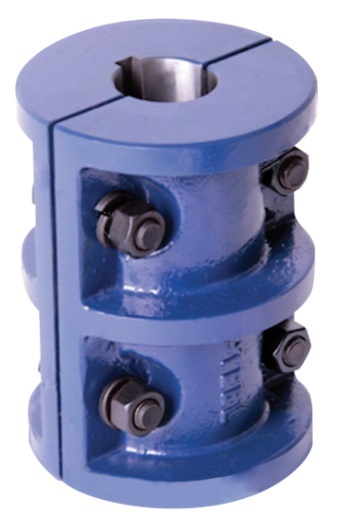
Diaphragm Couplings
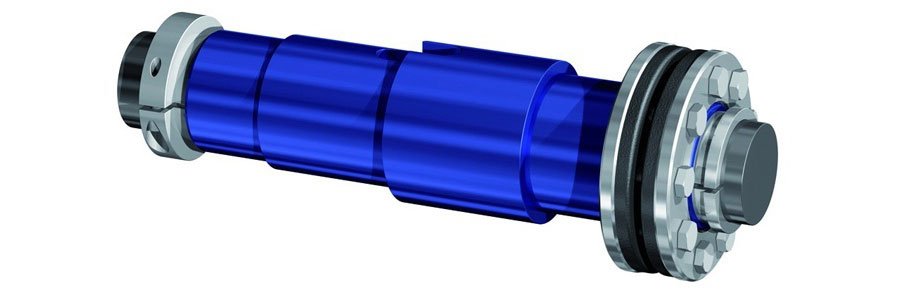
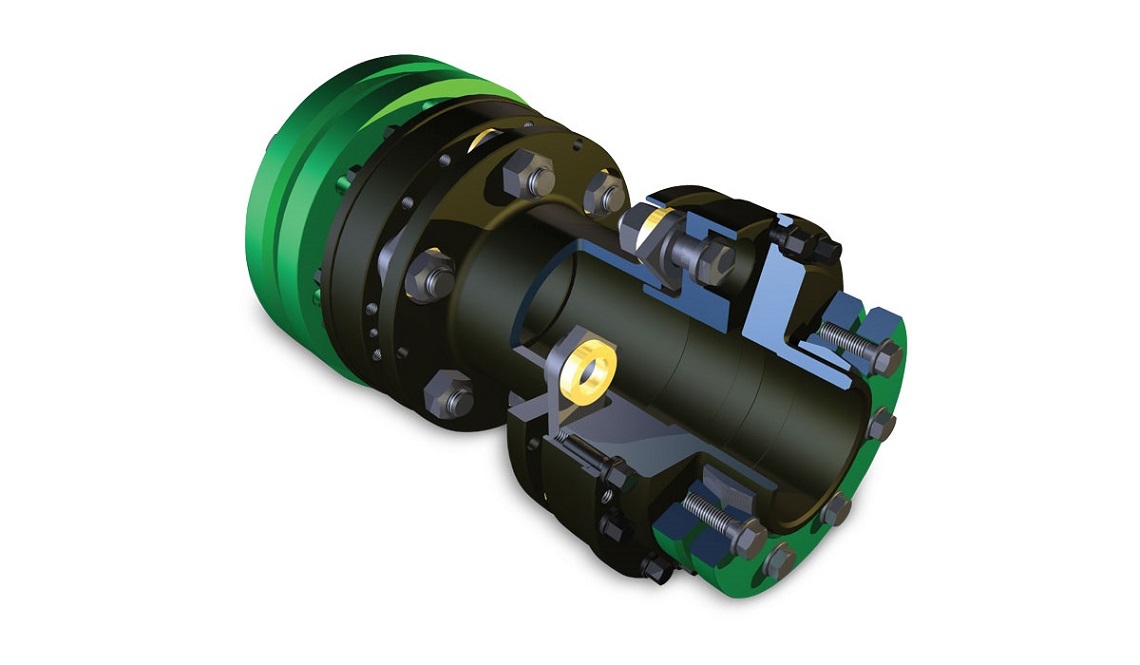
A Diaphragm Coupling is a type of coupling that utilizes flexible plates, known as diaphragms, which are connected to the coupling hubs and an intermediate member called the spool. The diaphragms transfer power from the drive shaft to the spool and then to the driven shaft. These diaphragms are designed to handle misalignments and do not require any lubrication as there are no sliding parts. This type of coupling is commonly used in high-power transmission systems, including turbomachinery and industrial machinery, where there is a need for both high torque and high speed.
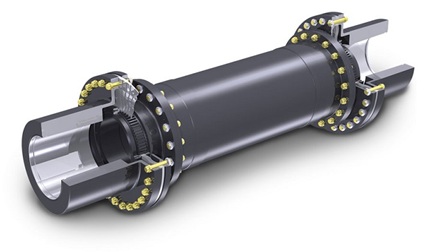
Universal Joints
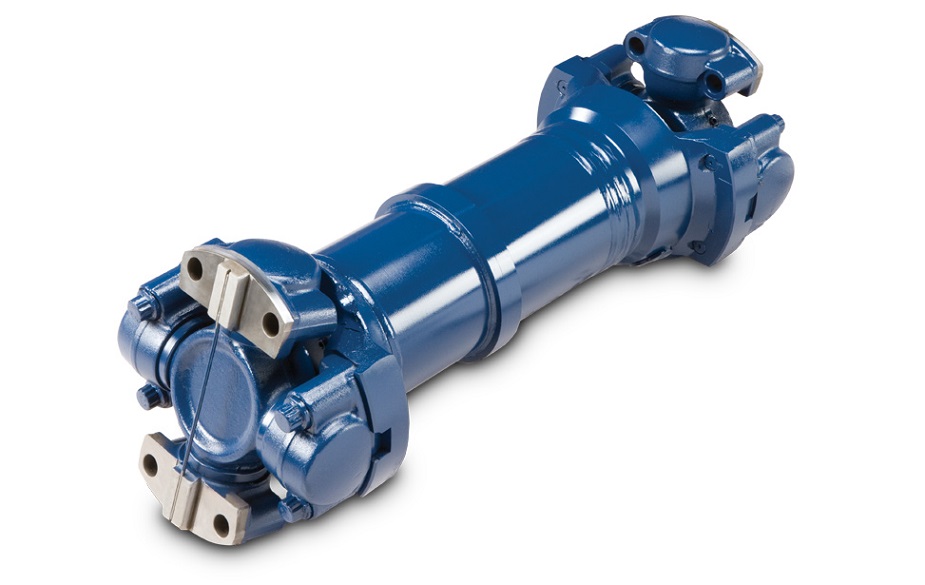
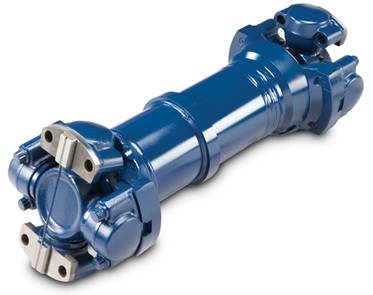
A Universal Joint (U-Joint) is a specialized pivoting joint designed to transmit rotational power between two misaligned shafts. It features an X-shaped pivot point based on gimbal principles, allowing the connected shafts to move independently at relative angles of up to 45 degrees. Standard U-joints provide two degrees of freedom, enabling rotation along two axes simultaneously. In more complex applications, dual X-shaped pivots can accommodate steeper angles, up to 90 degrees, making U-joints essential in various mechanical and automotive systems.
Conclusion
In conclusion, shaft couplings are indispensable components in various machinery, ensuring the smooth transmission of power while accommodating misalignments and reducing wear and vibration. Understanding the different types of couplings and their applications allows engineers and industries to select the most suitable solution for their specific needs.
HVH Industrial Solutions is an authorized distributor of Lovejoy, Flender, TB Woods, Ringfeder, Guardian Couplings, Bibby Turboflex, Renold, Kop-Flex, Jaure, KTR, and many other top-notch shaft coupling manufacturers from around the world. We work closely with their engineering team to provide superior customer service and engineering support.
If you have any questions, write to us via live chat or call or send us a quote request. The HVH team is always ready to help you.
Requesting ...
File size should not exceed 20 MB.