Main Things to Avoid for a Long Lasting Electric Clutch or Brake
Introduction
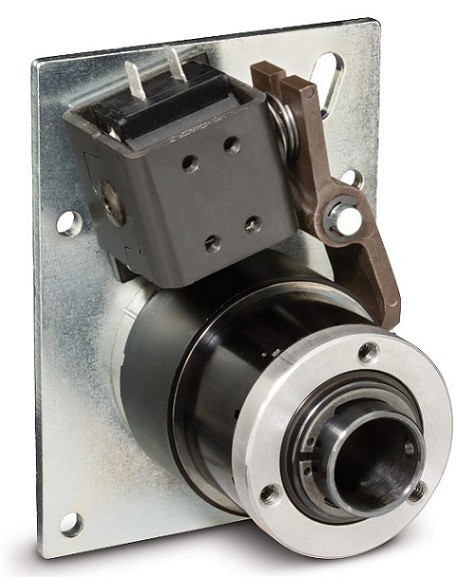
To ensure a long-lasting electric clutch or brake, certain things should be avoided. Although clutches and brakes serve different purposes and have different applications, their operating principles are quite similar when it comes to troubleshooting and problem-solving. This article will focus on positive-action units that are either electrically or mechanically actuated, including brakes with On-Off action and Start-Stop clutches.
Common Mistakes and How to Avoid Them
Common issues that arise in the field include overheating, torque loss, and coil failure. It is important to identify the root cause of these problems to prevent repeatedly replacing failed parts without actually addressing the underlying issue. To help with this, here are some guidelines to keep in mind.
Incorrect voltage
The amount of torque produced by a clutch or brake depends on the coefficient of friction between the plates, as well as the pull force between the armature plate and the magnet body and coil assembly. This pull force is determined by the coil's specific voltage rating. If the coil voltage is decreased, the clutch torque will also decrease. Therefore, it is important to ensure that the full rated line voltage is supplied when full torque is required. In cases where reduced torque is necessary, an adjustable voltage rectifier for the coils can be used.
However, it is important to note that applying AC voltage to a DC coil is a more damaging mistake than using the wrong voltage. While most brake and clutch coils operate on DC, they can be supplied with a rectifier to allow for AC line input. In certain applications, a DC coil may operate inefficiently on AC before eventually failing. This can confuse troubleshooting, as the failure may appear to be an equipment fault.
Incorrect sizing
If the unit is too small for the required torque, it may function properly for a short time before overheating due to thermal capacity limitations. If the issue seems to be a simple component failure, it is important to investigate further, as a lack of thermal capacity could be the underlying problem. In such cases, close cooperation is required between the equipment and brake/clutch manufacturers, as well as the end user.
Misalignment
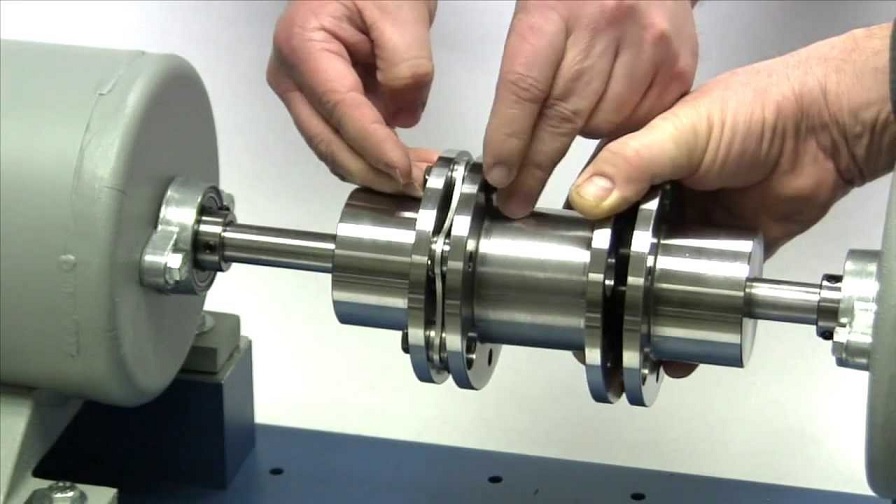
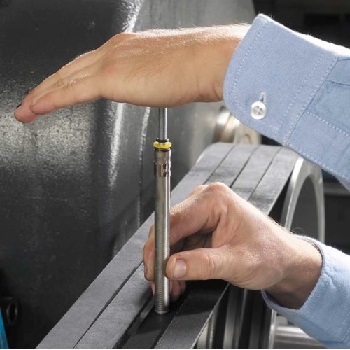
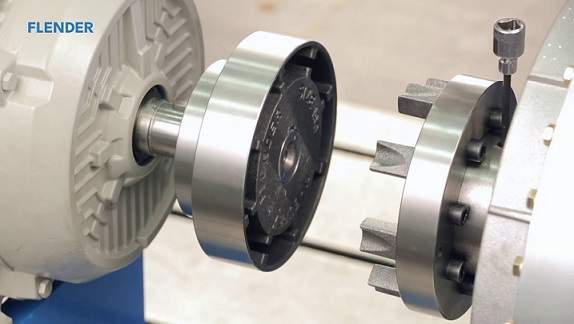
Misalignment can lead to increased stress, vibrations, and potentially major issues, especially due to the small air gap between the armature and magnet body. NEMA specifications play a crucial role, in defining tolerance ranges for factors like register and bolt circles. Equipment manufacturers must ensure alignment compliance when installing or replacing units. Checking motors or drives for NEMA tolerances is crucial, especially when mounting new brakes or clutches on used equipment. Shaft runout measurements, both axially and radially, need to be within specified tolerances. Overhung loads, particularly in clutch applications with sprockets or sheaves, can cause problems. Proper installation practices, such as not tightly bolting down retaining brackets, are emphasized to prevent premature failure and potential damage to the drive system.
Incorrect assembly
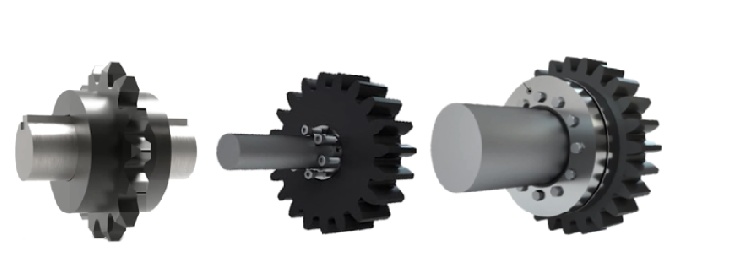
Simple things like set screws are often overlooked but can cause significant problems if not installed correctly. These setscrews can be found on driven hubs of components that are mounted onto motor shafts. Depending on the size of the component, it may only be keyed or it may be keyed
Brakes and clutches designed for washdown applications in industries like food production often include special features like sealing and plated components. Substituting these plated elements with unplated ones can accelerate rust, leading to premature failure. Additionally, replacing original components, such as friction discs, with non-original parts can significantly alter the operating characteristics of the brake or clutch. While a replacement component may visually resemble and fit like the original, it could possess a different friction coefficient and have a shorter lifespan, potentially compromising overall performance.
Vibrations
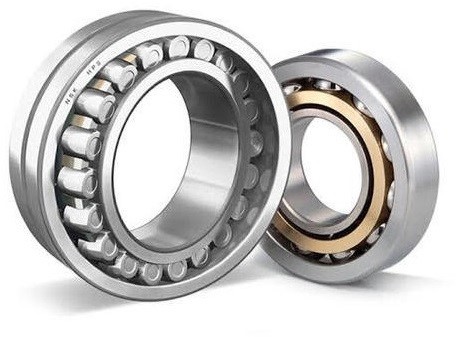
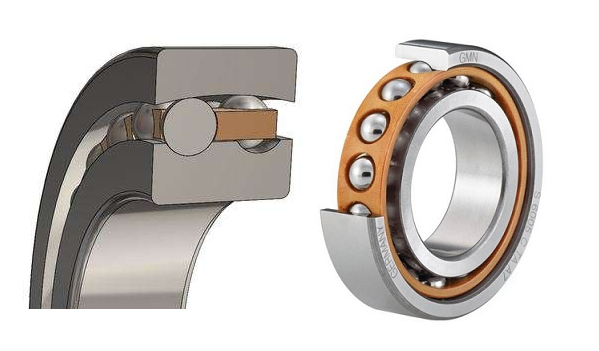
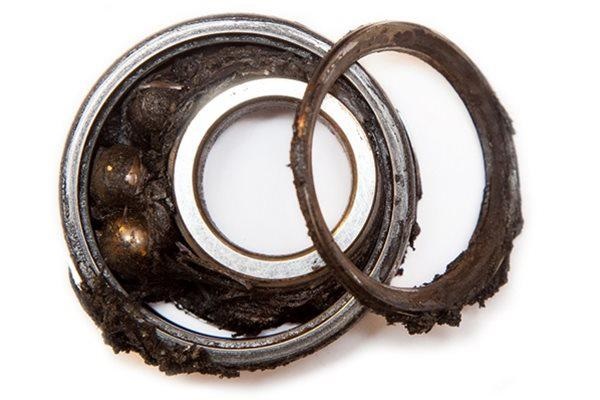
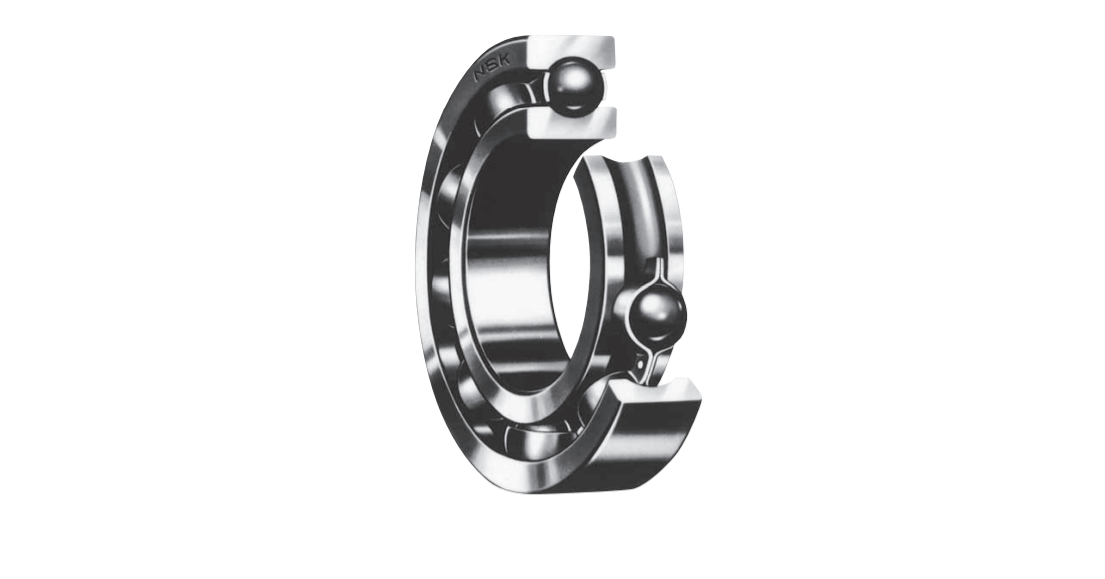
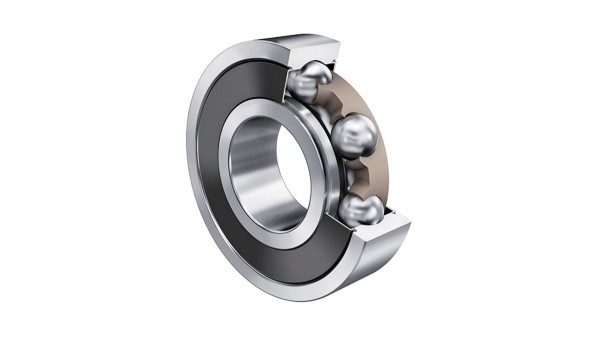
Two types of vibration can potentially damage your clutch or brake. Vibrations caused by uneven loads, poor alignment, or incorrect assembly can quickly lead to unit failure if not addressed. These issues tend to worsen over time as they cause wear and loosen the mountings. On the other hand, there are also environmental vibrations caused by nearby or moving equipment. If machinery with ball or roller bearings is left unused for an extended period, these vibrations and the bearings' static loads can result in "false brinelling" - small dents on the bearing raceway. As a consequence, when the clutch is put back into operation, these dents can cause vibration and wear as the rolling elements pass over them. The solution to this problem is simple: regularly rotate the shafts on which the units are mounted, ideally once a month. This practice can also benefit the health of motor and line-shaft bearings.
Conclusion
By avoiding common pitfalls such as incorrect voltage application, improper sizing, misalignment, assembly errors, and neglecting vibrations, you can significantly enhance the longevity and reliability of electric clutches and brakes. Regular monitoring, adherence to manufacturer guidelines, and collaboration between equipment manufacturers and component suppliers are key to ensuring optimal performance in industrial applications.
HVH Industrial Solutions is an authorized distributor of Warner Electric, Stromag, Ringspann, Mayr, Formsprag Clutch, Steiber and many other brake and clutch manufacturers. We work closely with their engineering team to provide superior customer service and engineering support.
If you have any questions, write to us via live chat or call or send us a quote request. The HVH team is always ready to help you.
Requesting ...
File size should not exceed 20 MB.