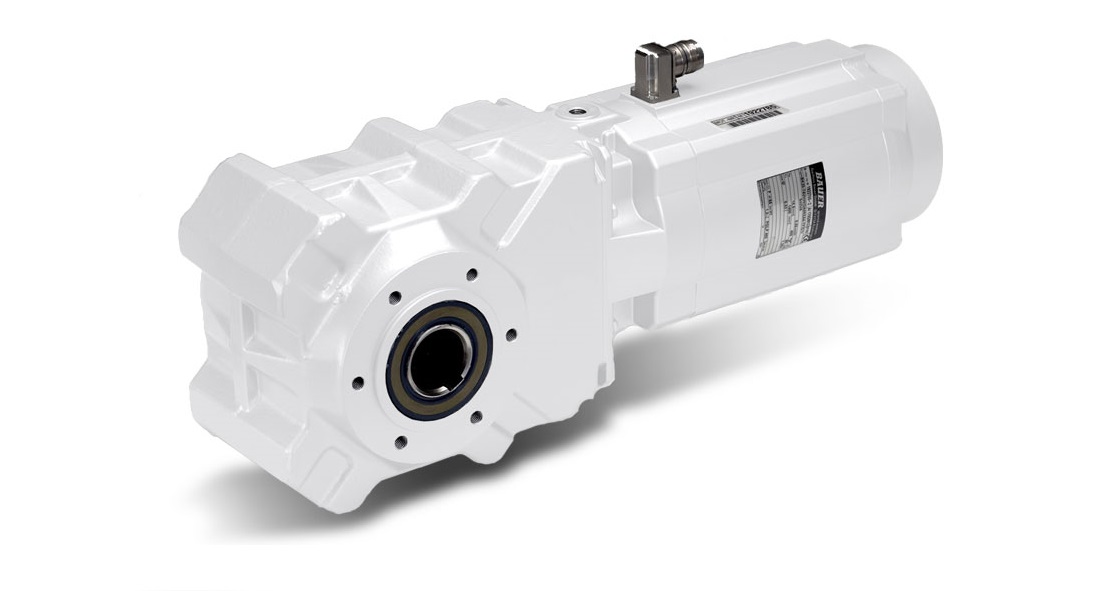
How to Select the Right Gearbox
Introduction
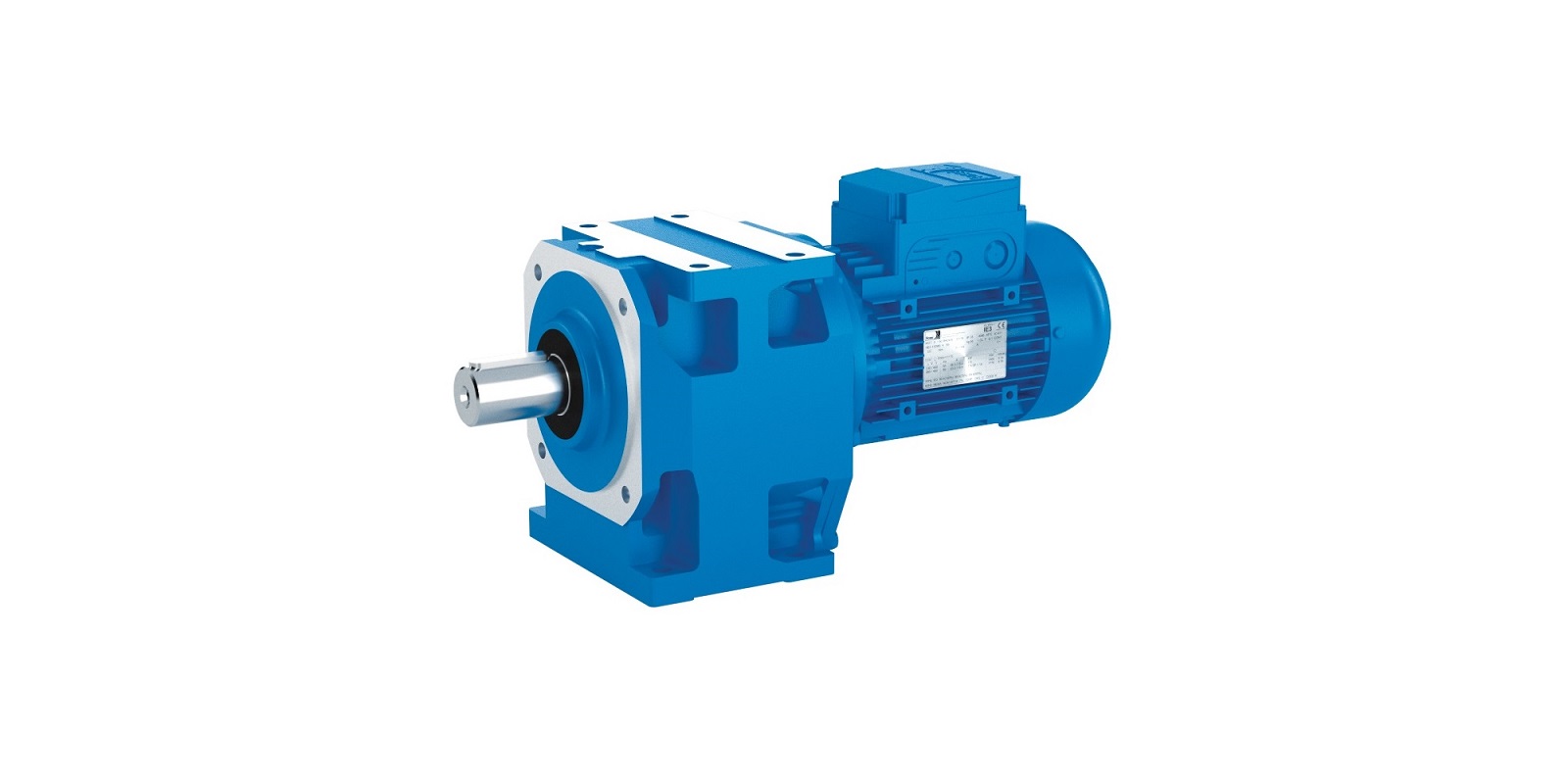
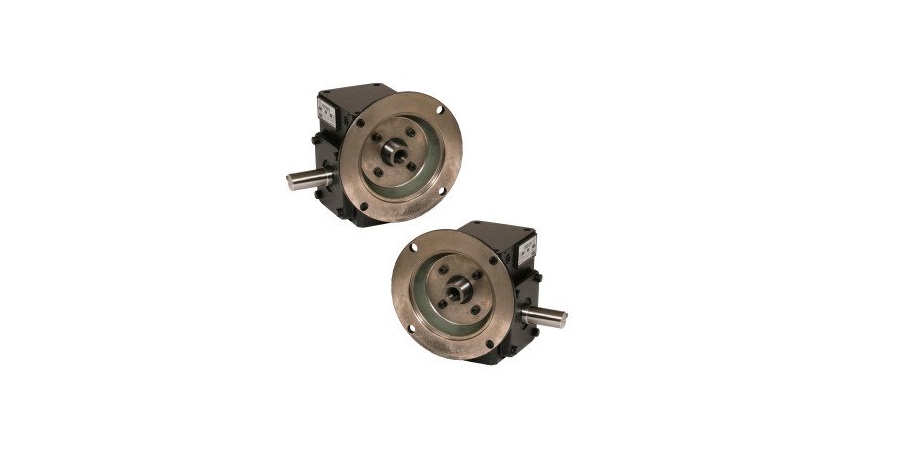
Selecting a suitable gearbox can be a daunting task. Depending on the needs of the power transmission industry, a gearbox may need to support overhung loads, while the motion control and servo industry may require a gearbox that can handle dynamic motion. To meet various criteria, customers have a range of gearboxes to choose from. Making a wrong selection could result in having to purchase a more expensive gearbox.
Motor vs. Load Sizing
One key consideration is the size, specifically the difference between motor and load sizing. While it may be simpler to size the motor to the gearbox and achieve proper transmission, it could lead to buying a larger gearbox than necessary. On the other hand, matching the gearbox to the load ensures it is suitable for the application, more cost-effective, and has a smaller footprint.
Components of Gearbox Sizing
Sizing applications for gearboxes require several components that are relevant in all situations.
Service Factor
The service factor is defined as the difference between the required value for an application and the unit's rated value. Before sizing an application, the client should determine the service factor. This factor must account for factors such as non-uniform load distribution, service hours, and high ambient temperatures.
Ambient Temperature and Environmental Conditions
Higher ambient temperatures can cause an increase in internal pressure, necessitating a higher service factor. Extreme temperatures, whether hot or cold, may require different seal materials and lubricants. The environment in which the gearbox will operate is also crucial in determining its size. Harsh conditions can accelerate wear and tear, and in dusty or dirty environments, special materials may be needed to prevent corrosion or the growth of microorganisms. Industries like food and beverage processing require FDA-compliant coatings and oils. Vacuum situations require specific considerations for grease and heat dissipation as there is no air for cooling. Neglecting these environmental factors can result in a gearbox that is not suitable for the application. All of these factors must be taken into consideration when sizing a gearbox.
Shock Load or Load Type
Heavy shock and impact loads can lead to wear and tear on gear teeth and shaft bearings. If not accounted for during sizing, this wear can cause premature failure. These additional loads require a higher service factor. Uniform loads remain consistent throughout the application, while non-uniform loads vary. Even if the load is small, non-uniform loads require a higher service factor than uniform loads. For example, a conveyor carrying a constant amount of goods is an example of a uniform load, while an irregular cutting application is a non-uniform load. The irregular cutting force causes periodic increases in torque applied to the gearbox, creating an unbalanced load.
Output Style or Mechanism
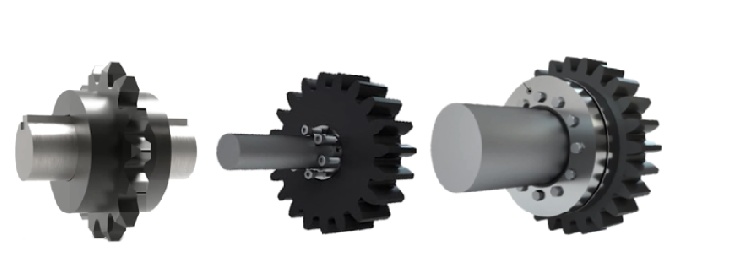
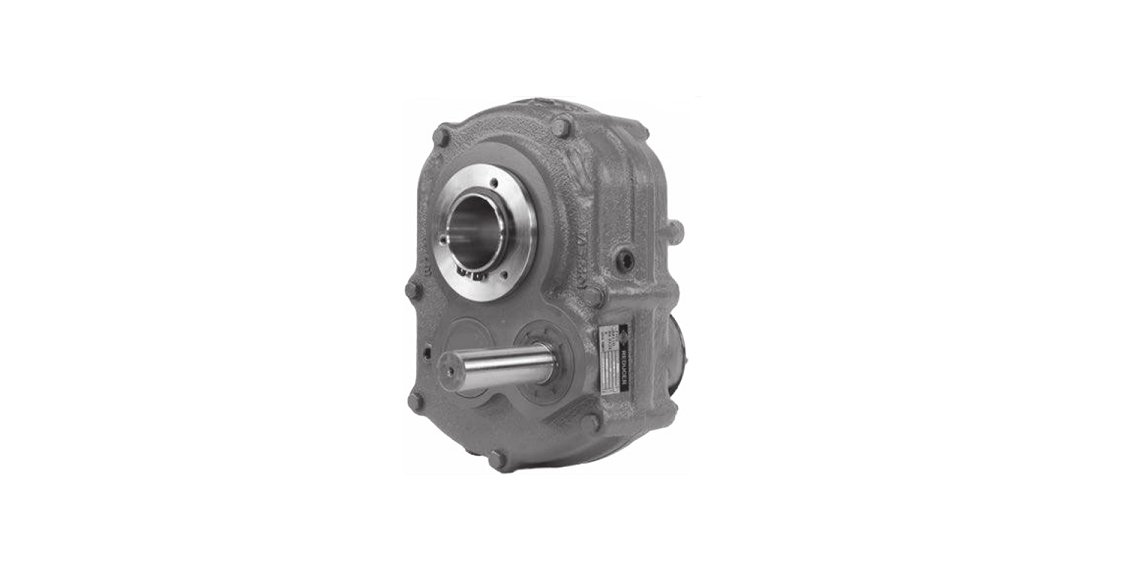
Examples of output mechanisms include sprockets, pulleys, and toothed pinions. Different output designs, such as multiple output shafts or shaft-mounted bushings, reduce the unit's rated overhung load. Different output mechanisms impose varying shaft loads, which must be taken into account. While most mechanisms generate radial stress, some, such as helical gearing, also create axial loads. These outputs may require different bearings to accommodate the additional radial or axial load.
Output Shaft and Hollow Bore Dimensions
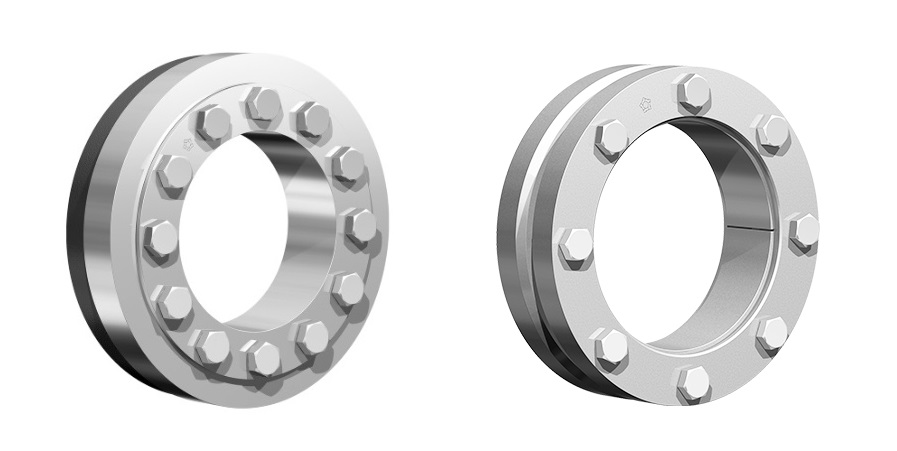
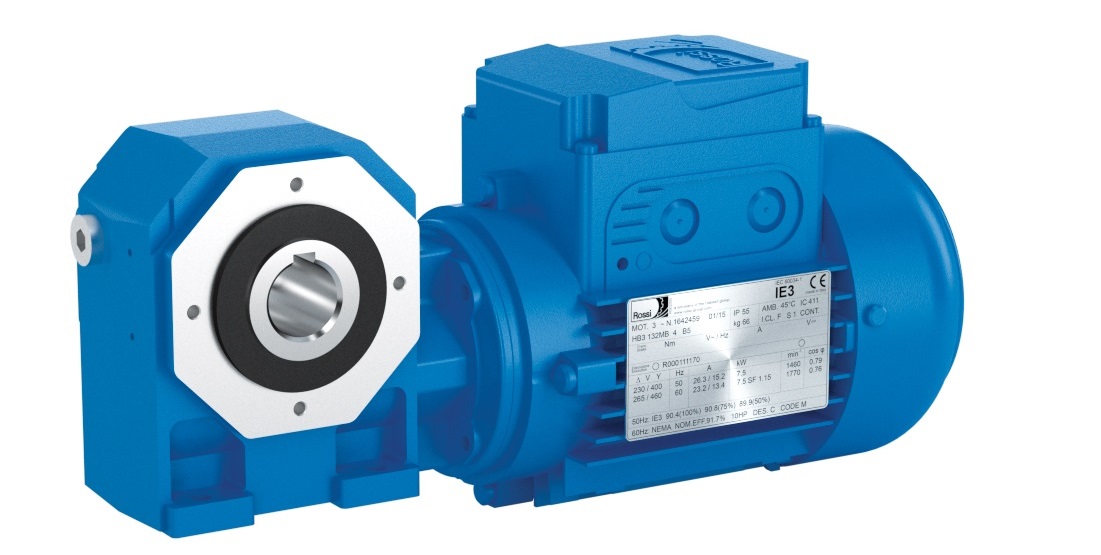
When sizing an application, it is crucial to consider the specified output shaft and bore sizes. This may include whether the unit has a stainless output, a keyed or keyless shaft, a keyed or keyless hollow bore, or a flanged output in combination with any of the above. Getting the correct bore size may require the client to obtain a larger gearbox or one with a different type to match their existing shaft. In some cases, the client may be able to change their shaft to use the most cost-effective component while still providing an excellent solution.
Housing Types
When selecting a gearbox, it is also essential to consider how it will be mounted. A unit may have mounting feet, an output flange, or tapped holes on multiple sides. These housing types may limit mounting options, and choosing different options may eliminate the need for specialized frames or brackets. For example, tapped holes on the unit's bottom face can eliminate the need for a specialized L-bracket for attaching to the output.
Power Transmission Considerations
When determining the appropriate size for power transmission, it is important to consider certain factors that are specific to the industry. These factors include the output RPM, motor horsepower, frame size, and overhung load, all of which play a role in the application calculations.
Output RPM
The client must calculate the working ratio of the gearbox and take into account the input/output speed and operating hertz (Hz) to determine the proper size. The standard for this is an input of 1450RPM at 50 Hz, but any adjustments must be noted in the sizing process to ensure accurate calculations. Failure to consider these adjustments can result in a gearbox that does not meet the customer's specifications.
Motor Horsepower and Frame Dimensions
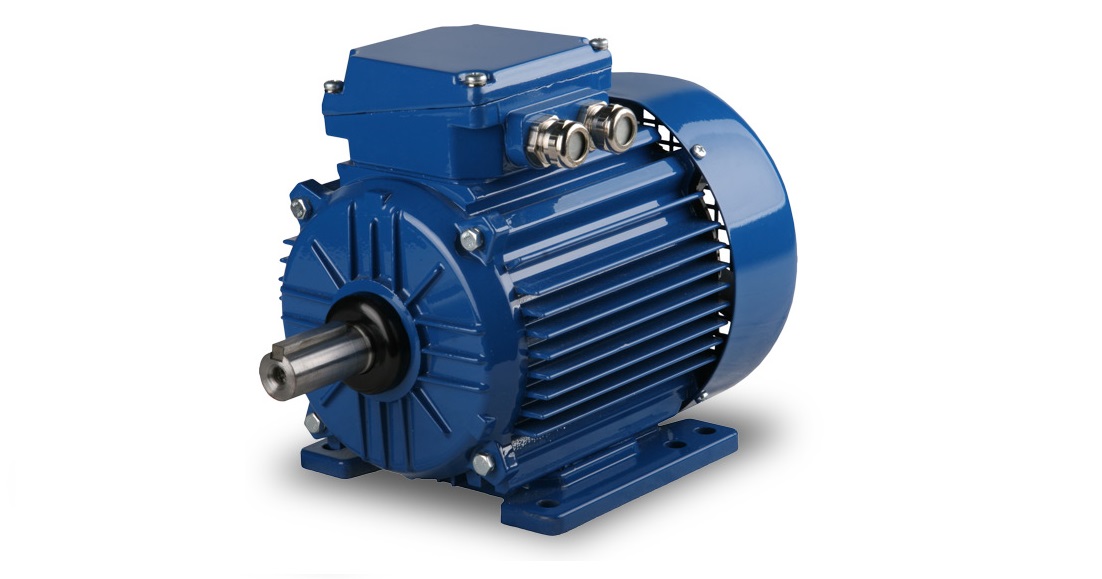
When selecting the appropriate motor horsepower and frame dimensions, the service factor must be determined based on the gearbox size and input option. It is important to note that larger motors can generate heat which can have a negative impact on the mechanical ratings of the reducer, also known as its Thermal Capacity. This must be taken into consideration when using larger motors.
General Shaft Load
Another crucial aspect of sizing is ensuring that the load placed on the gearbox does not cause damage. This is referred to as the Overhung Load rating and is measured in Newton. If the rating of the speed reducer is lower than the application, it can result in damage.
Conclusion
Ultimately, customers need to size their gearboxes based on the load to obtain a suitable and cost-effective solution for their application. This process takes into consideration factors such as the service factor, environmental conditions, temperature, shock load, output type, and hours of service to ensure the best possible choice of gearbox.
HVH Industrial Solutions is an authorized distributor of Boston Gear, Rossi, Flender, Rexnord Falk, Renold, Redex, SEW Eurodrive, and many other top-notch gearbox manufacturers. We work closely with their engineering team to provide superior customer service and engineering support.
If you have any questions, write to us via live chat or call or send us a quote request. The HVH team is always ready to help you.
Requesting ...
File size should not exceed 20 MB.